04.2025 – 07.2025
Making Virtual Water Visible.
An exploratory exhibition encouraging consumers to reflect on hidden water consumption, so called virtual water.
- User Research
- Exhibition Design
- Research Methods
- User Research
- Exhibition Design
- Research Methods
Medium
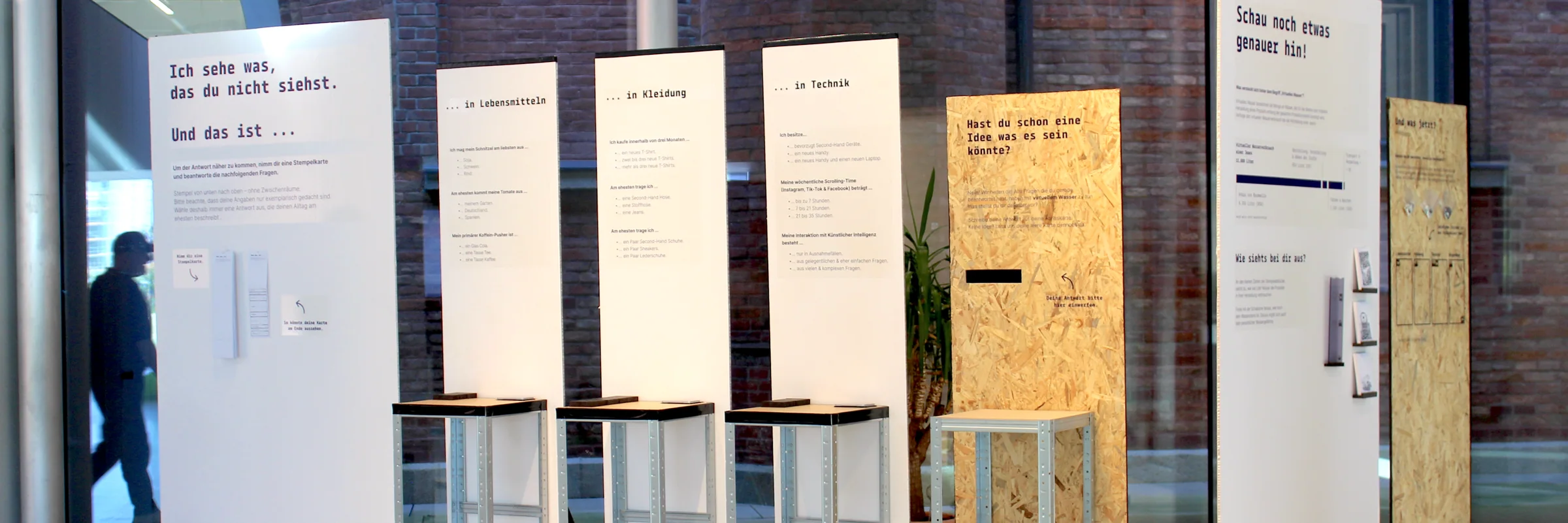
An exploratory, interactive exhibition format was deliberately chosen, as it enables both the participants to gain insights and the researchers to conduct in-depth observation and analysis.
The aim was not only to convey information, but also to create a participatory, experience-based engagement with the topic of virtual water consumption. In other words, to generate awareness that is both cognitive and emotional. The exhibition is divided into four consecutive phases, which were coordinated in terms of both function and content.
1st Phase
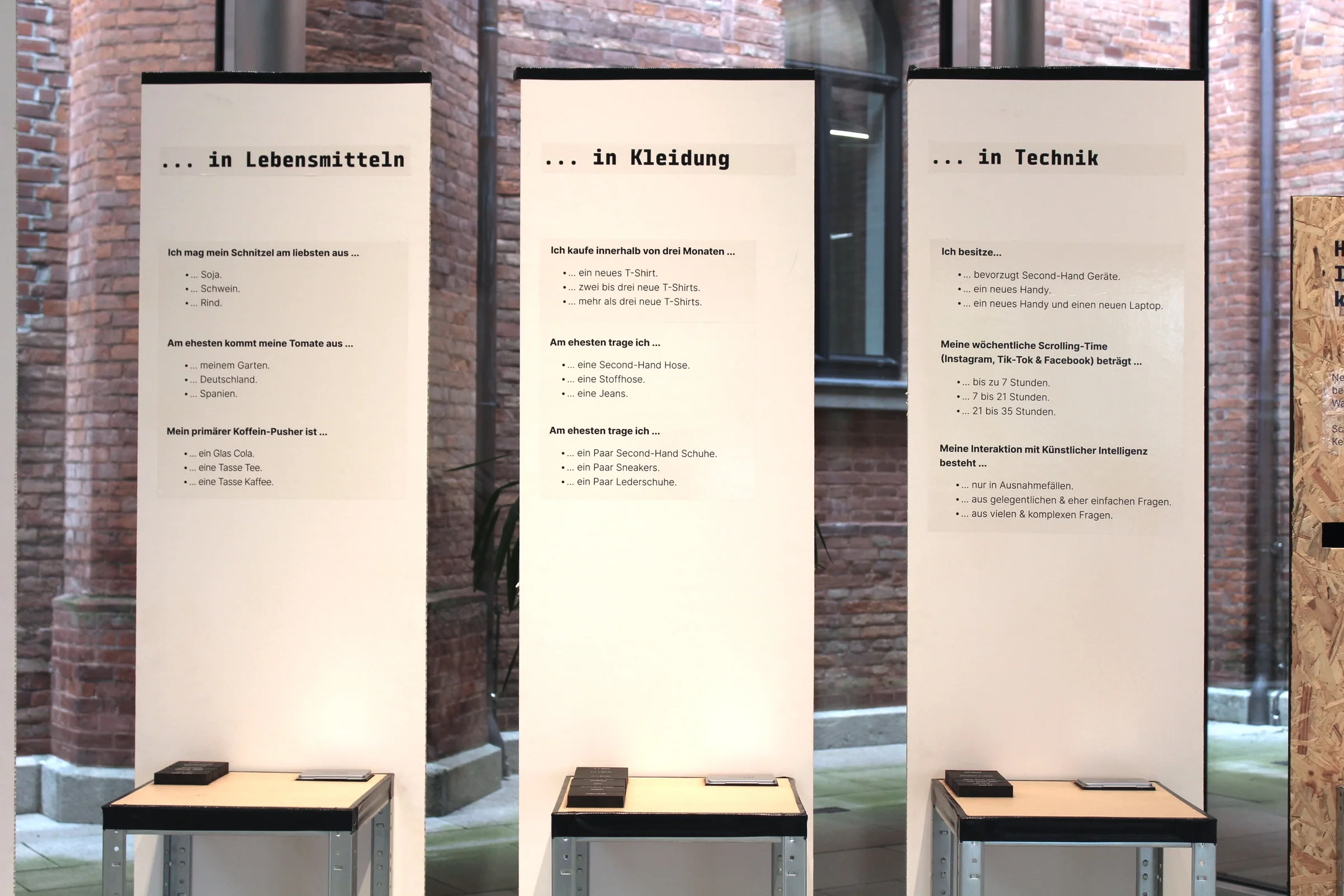
Participants' current consumption is recorded across three areas relevant to everyday life: food, clothing and technology. All have a different impact on the virtual water footprint. Each category comprised three questions, each with three possible answers, which were designed on the basis of the average water consumption of consumer goods during production. A stamp system highlighted each selection, showed differences in quantities and specified the exact amount of water in litres, thereby enabling the recording of individual consumption.
2nd Phase
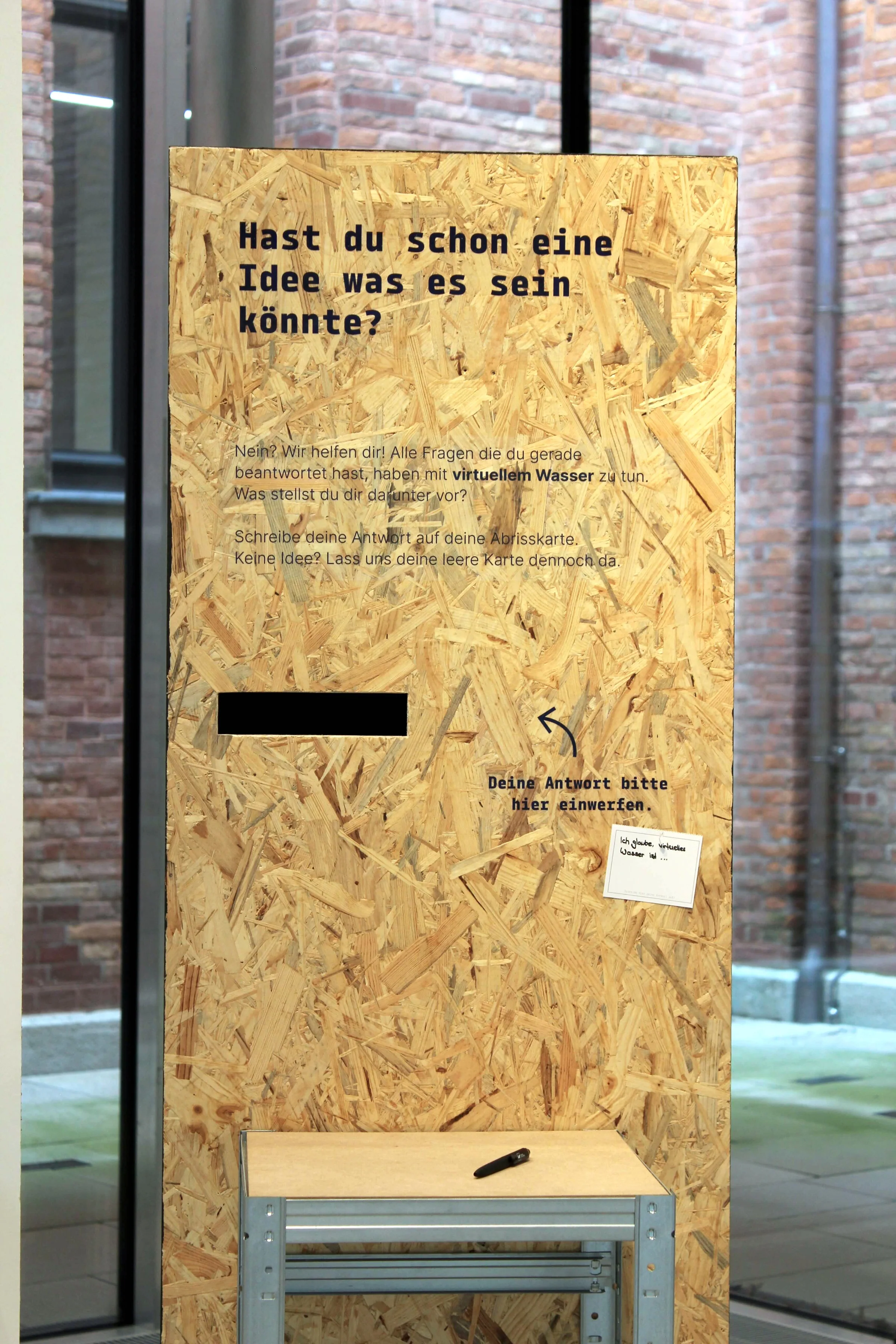
In the second step, participants' prior knowledge of the concept of virtual water is assessed; this involves both gathering information and providing a clear definition in order to establish a common understanding.
3rd Phase
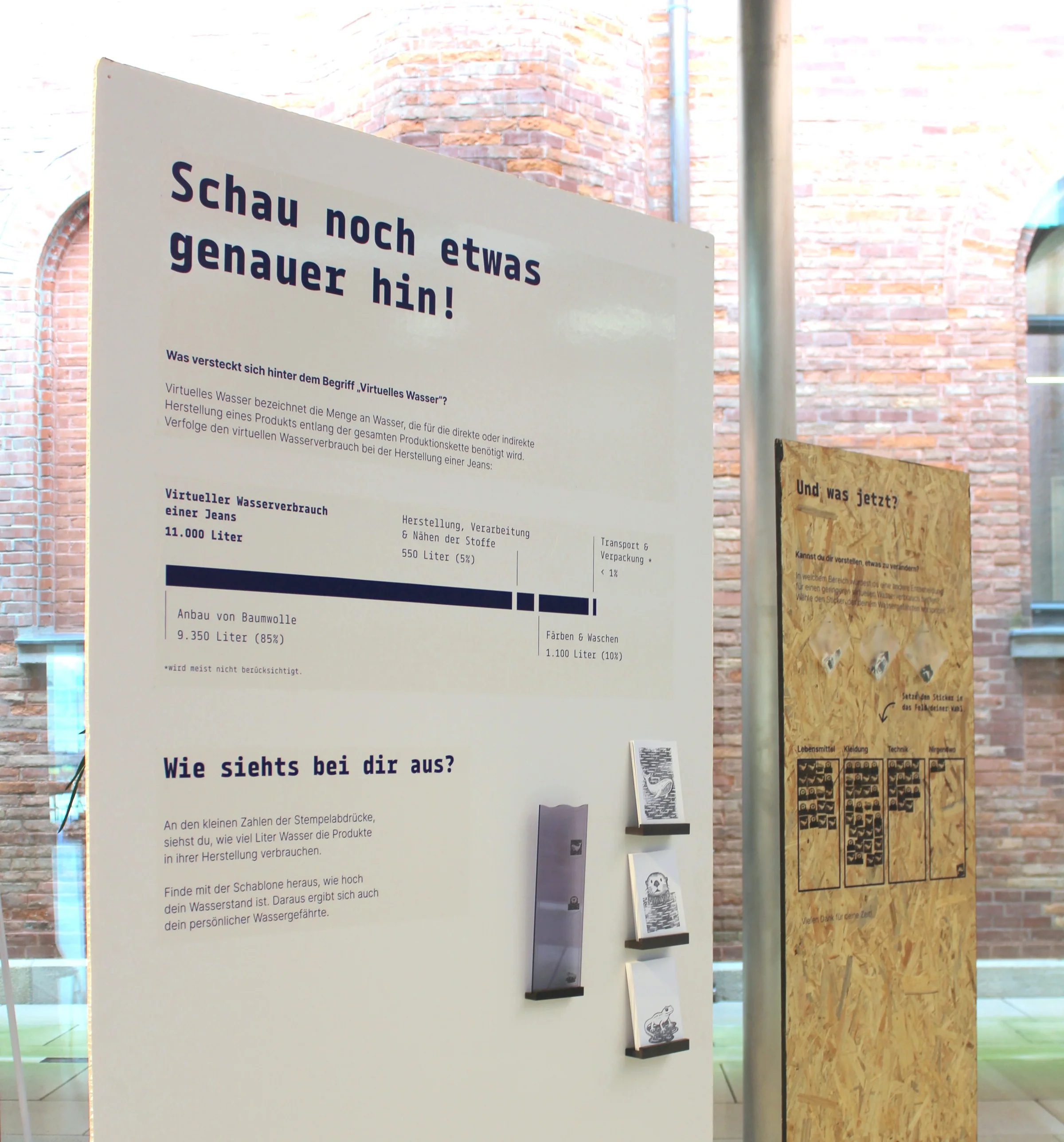
Depending on their water footprint, participants are then assigned one of three 'water companions': the whale for decisions involving high, the otter for medium, or the newt for low virtual water consumption. This narrative categorisation is intended to make the collected data emotionally and visually tangible. It opens up a moment of self-reflection, without any moralising undertones, but rather through a playful, symbolic representation of one's own consumption habits.
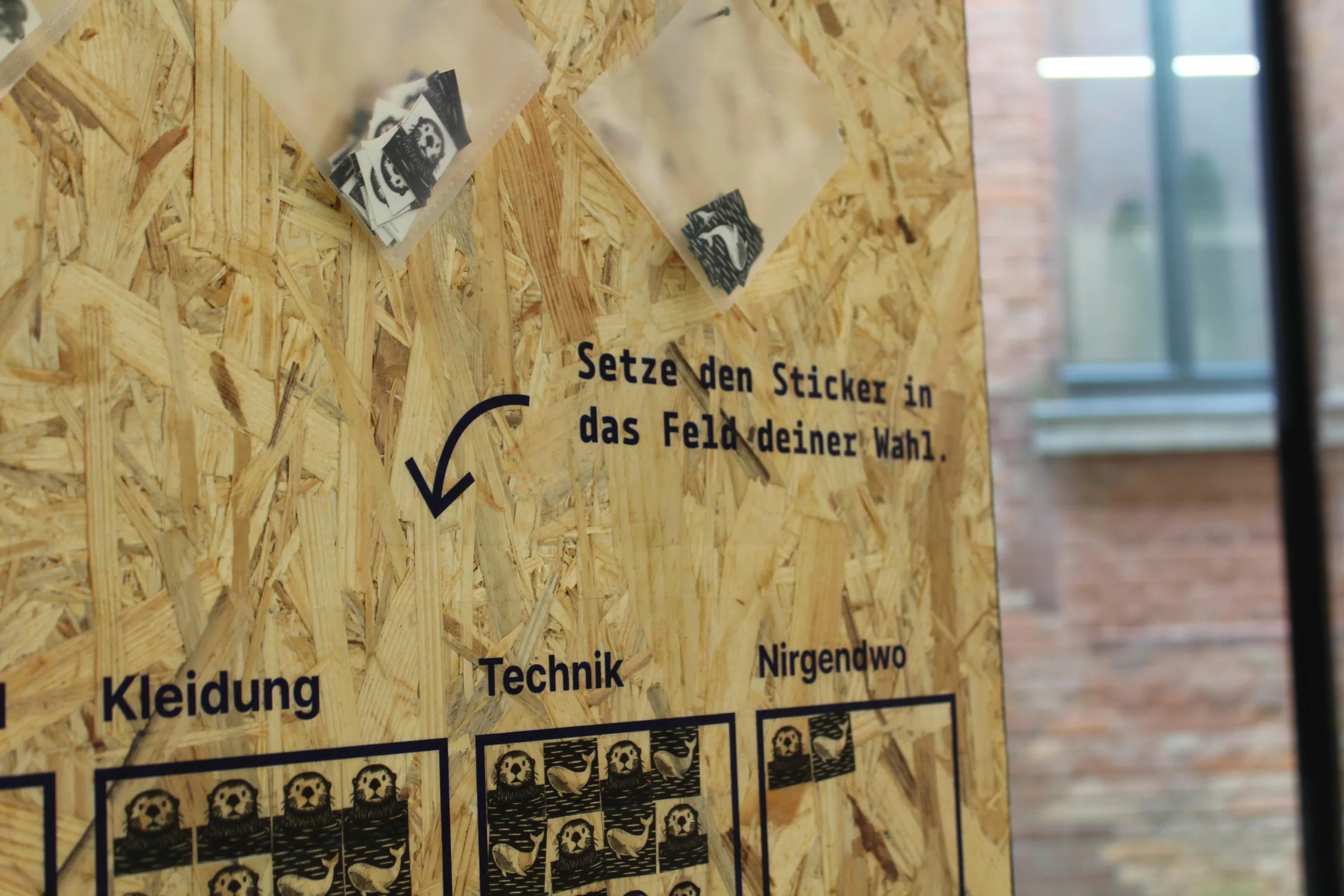
4th Phase
Finally, the study examines whether reflecting on one's own consumption behaviour and the new insights gained trigger a willingness to change. Participants can indicate whether, and in which area, they could envisage a change in behaviour: in terms of diet, clothing, technology, or not at all. This phase was deliberately designed to appeal to participants' emotions, but without exerting pressure. Rather, it was intended to encourage personal reflection on one's own role within the broader context of the global distribution of resources.
Results
In the second design phase, participants' responses on virtual water were evaluated during a three-day survey at Munich University of Applied Sciences.
Overall, the results suggest that the experience not only raised awareness but also inspired many participants to consider lasting behavioral change.
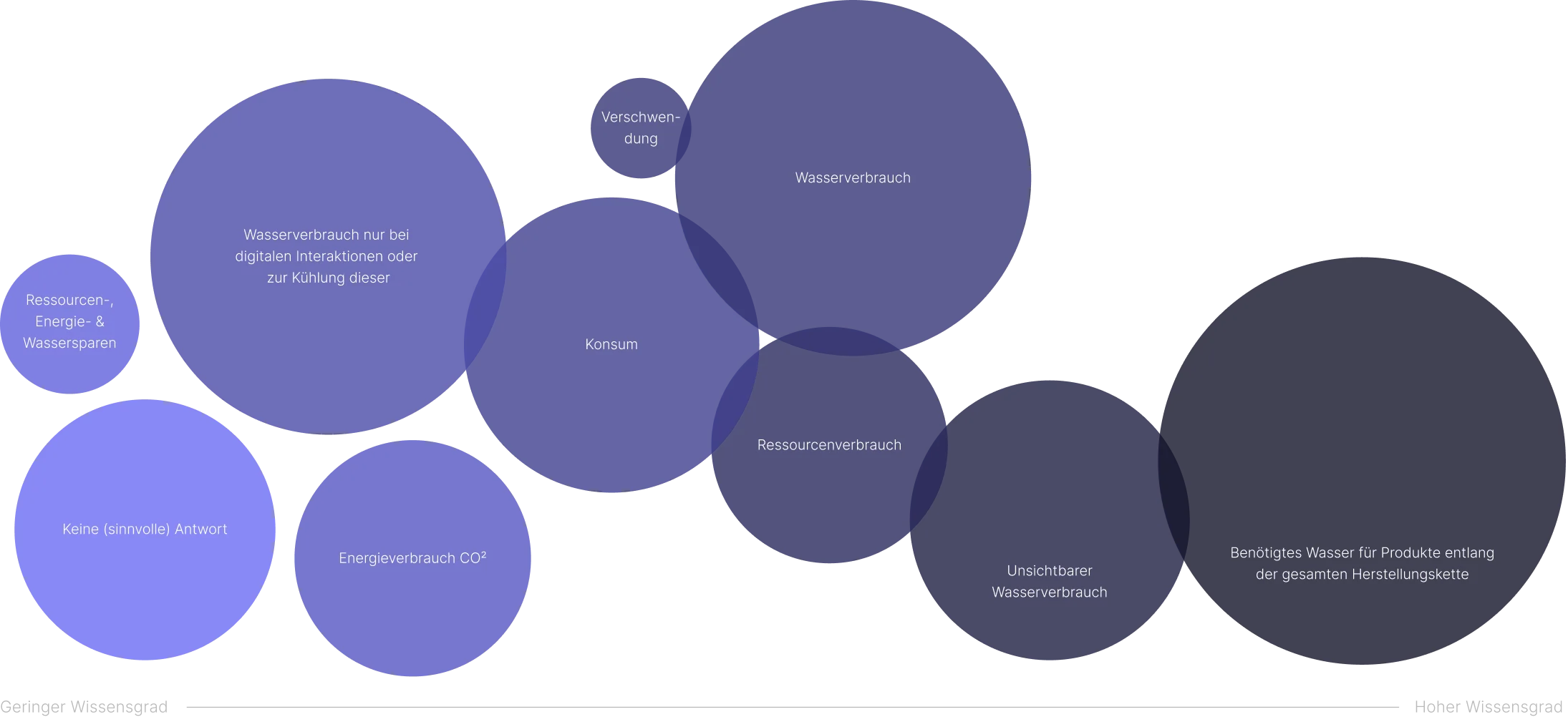
Awareness
The analysis showed widely varying knowledge, mostly low to medium. The results reveal a clear need for further education and confirm the exhibition's potential to raise awareness and understanding of virtual water.
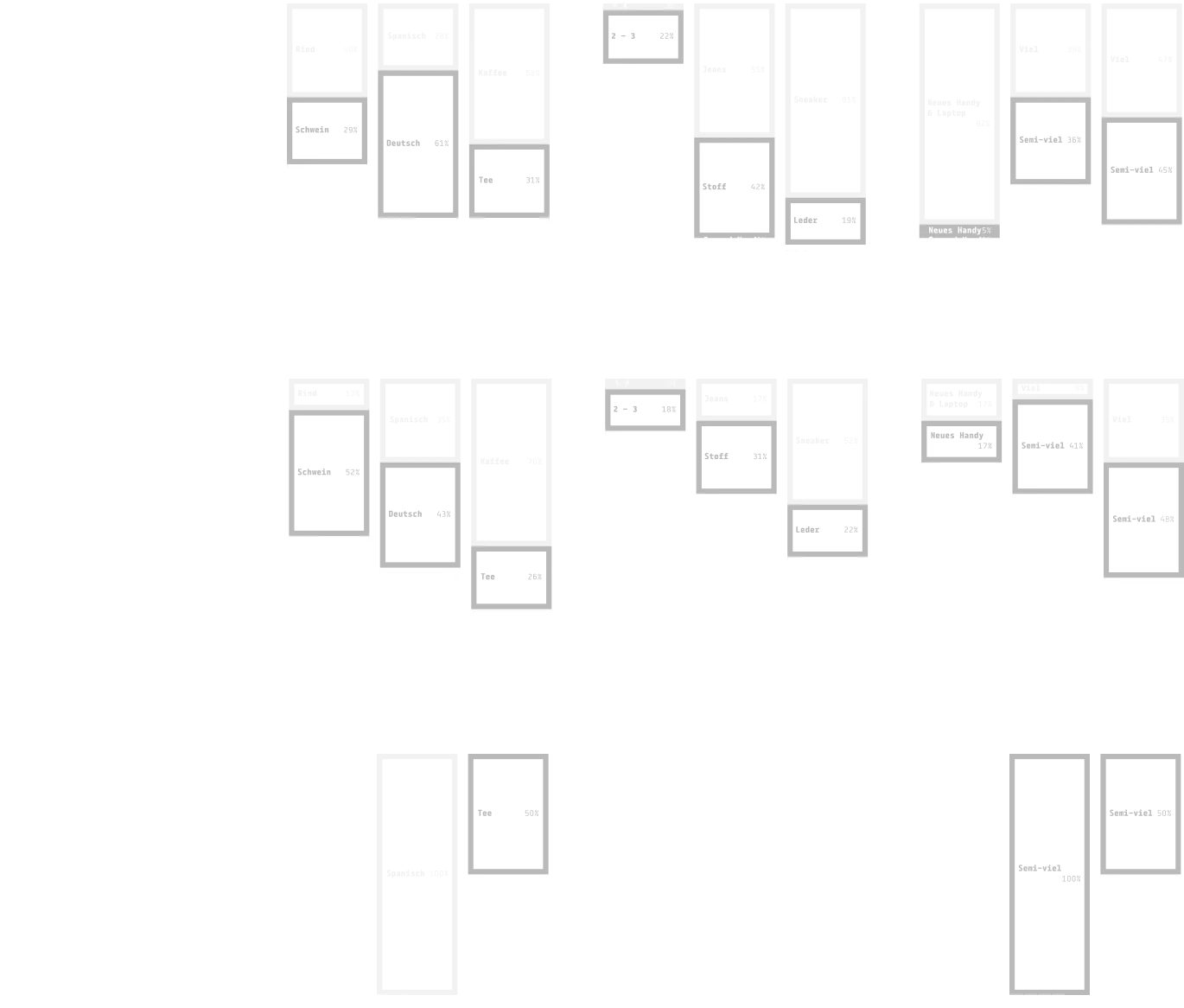
Consumer Decisions
The evaluation of 61 stamp cards showed predominantly high virtual water consumption. Most participants were classified with the companion Whale, fewer with Otters, and only very few with Newts. Across food, clothing, and technology, individual choices strongly influenced the overall footprint. A clear step pattern emerged: Whales chose high-consumption options, Otters mixed ones, and Newts consistently resource-saving ones. Highlighting both the impact of single decisions and the potential for change.
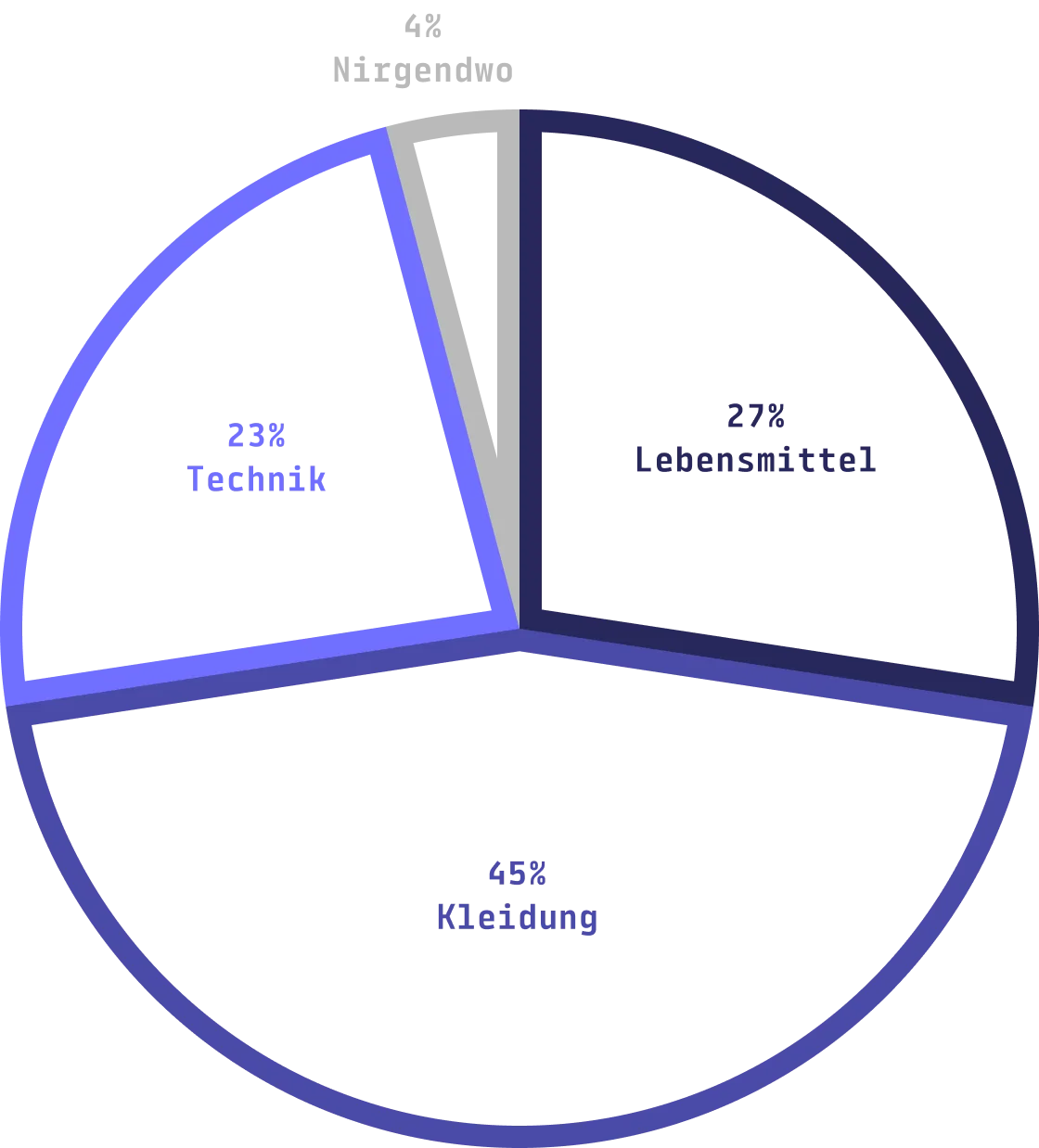
Willingness to Change Behaviour
Among 73 responses, a clear majority expressed readiness to adapt their behavior. These trends were consistent across all water-companion groups, indicating that self-reflection occurred largely independent of previous classifications. Notably, the few Newts focused solely on clothing and food changes, showing no interest in technology or in maintaining current habits.
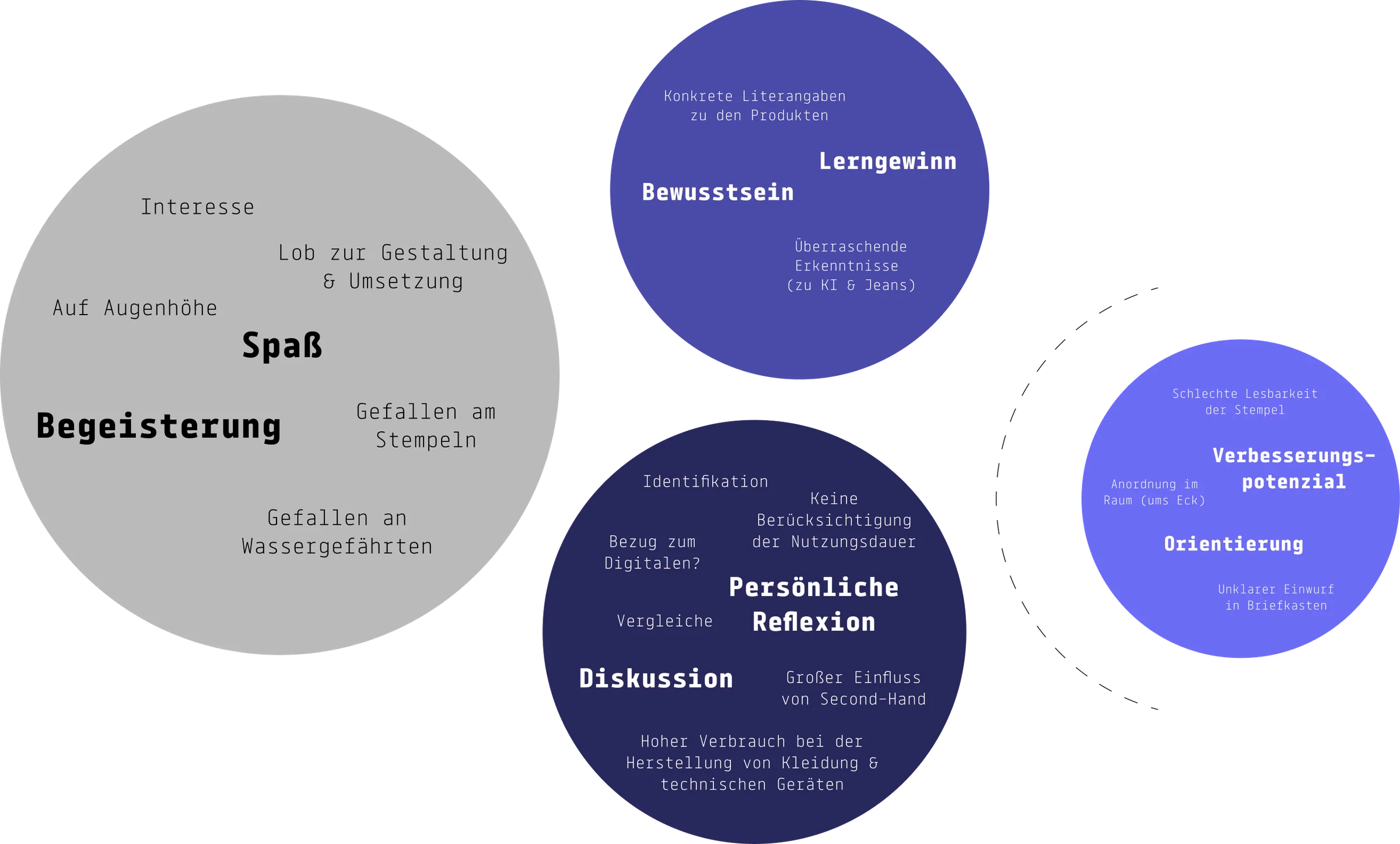
Participatory Observation
Participant observation showed that visitors valued the playful stamp method and charming water companions, describing the exhibition as fun and easy to engage with. Concrete water-use figures sparked "aha" moments, raising awareness of virtual water, especially the high impact of clothing and tech, and encouraging reflection on consumption, second-hand use, and product longevity. Overall, the exhibition successfully combined enjoyable interaction with meaningful learning and discussion.